"It smokes for the first ten minutes"
That is how a lot of calls to Cantrell begin. Others go: "the whole room smells like a campfire after it rains", "the match smoke drifts toward me instead of up", or "the gas logs leave black marks on the brick". Each one is a draft complaint, and each has more than one possible cause. The bill depends on which cause we find, so this post sets out how we sort them on houses in Lynwood and what each answer tends to cost on this site.
Why a fireplace pulls at all
Hot exhaust weighs less than room air. When a fire burns, the warm column rises through the flue and drags fresh air across the hearth to take its place. That steady pull is the draft. Anything that cools the column, narrows it, blocks it or offers the air an easier route will tip the balance, and smoke spills out under the mantel instead of going up.
The usual suspects are a damper that only half opens, years of soot shrinking the passage, a flue too small for a wide opening, wind dropping down an open top, a short stack sitting below a taller roofline, and a house where a kitchen hood or the dryer pulls harder than the fire does. Some of those cost nothing to fix. Some mean real work. Nobody can tell which from the front of the firebox.
What we look at on a smoke call
A draft visit follows the smoke from the room to the sky.
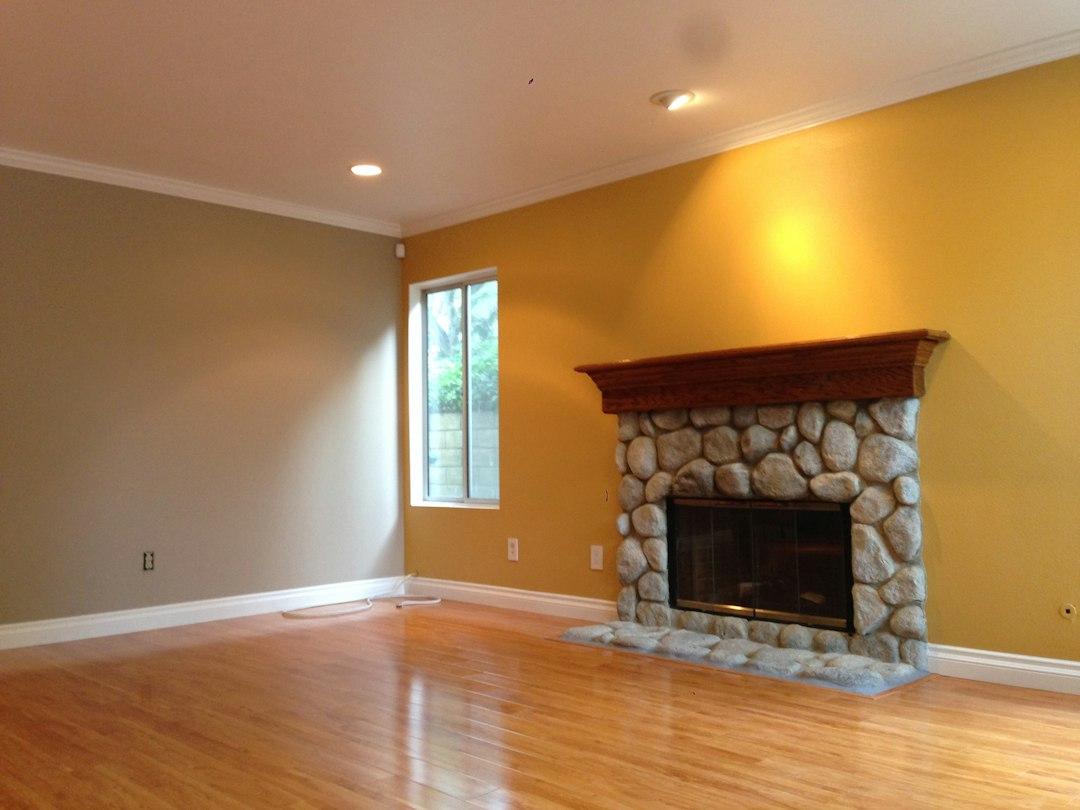
- At the hearth we swing the damper through its range, confirm the handle really moves the plate, and measure the fireplace opening.
- Inside the flue we use a light and, on most visits, a camera, looking for soot buildup, fallen tile, debris and nests.
- We compare the size of the flue with the size of the opening, since a narrow flue cannot carry the smoke a wide opening makes.
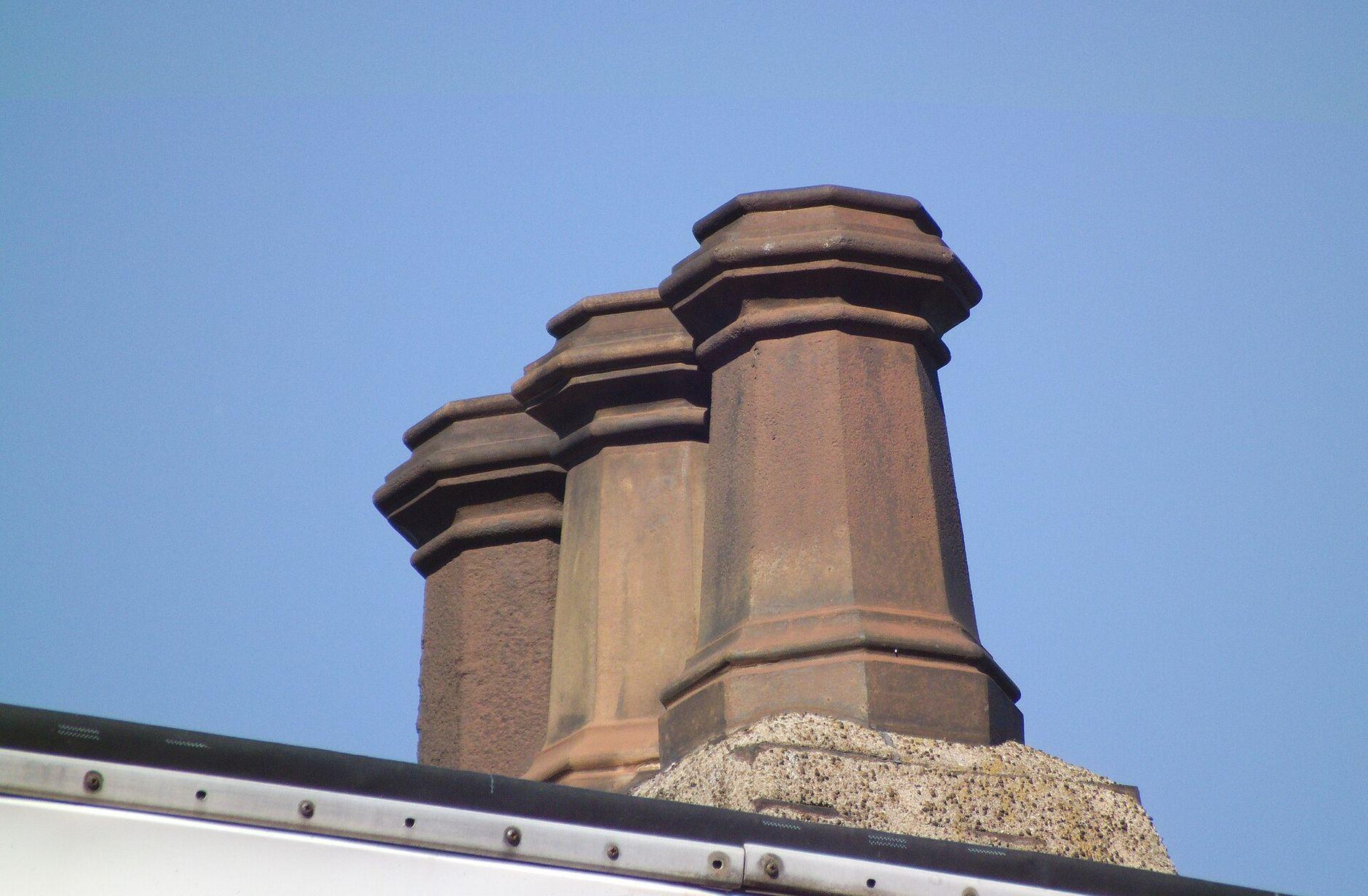
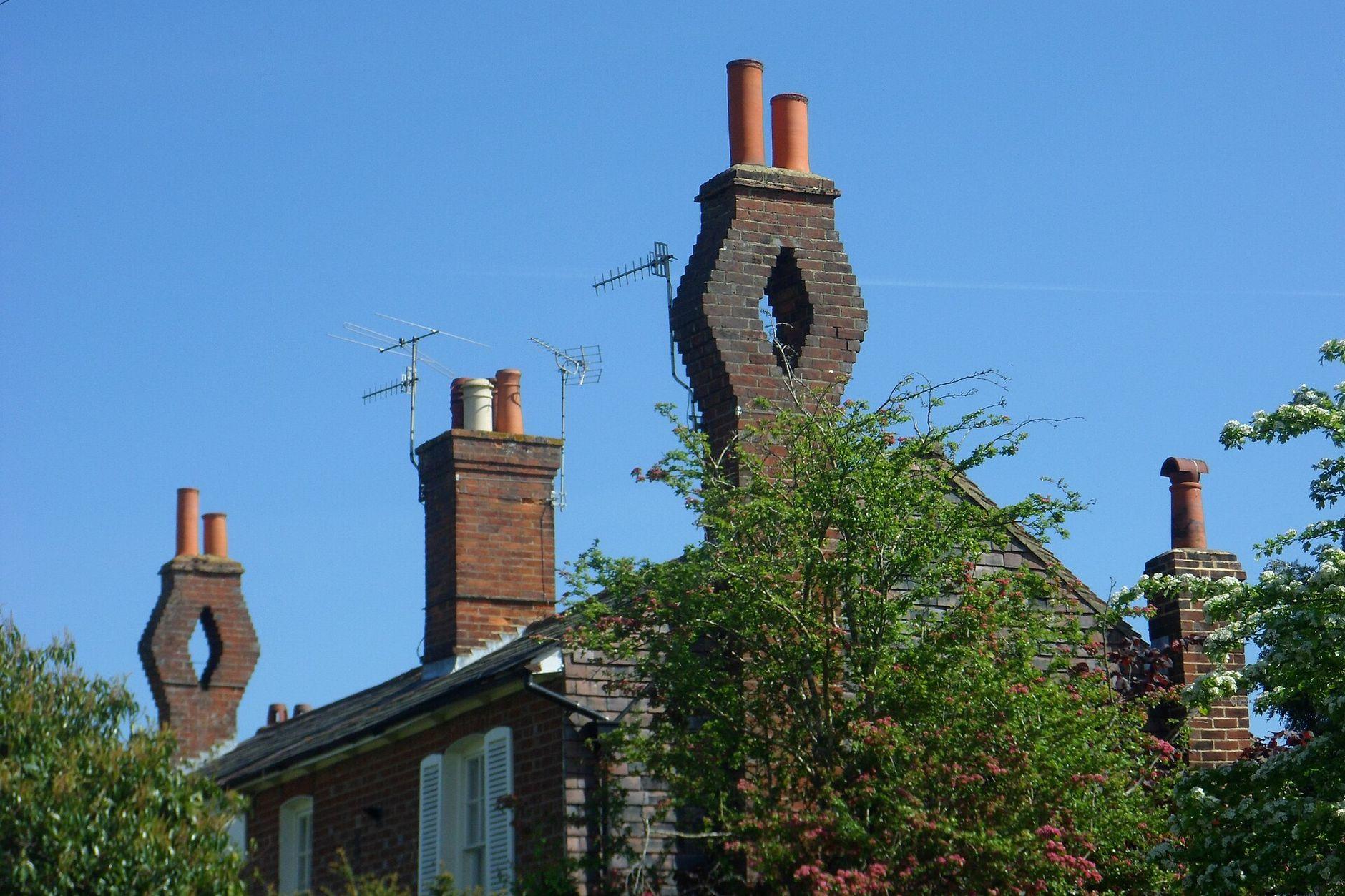
- On the roof we note whether the top is covered, how high the stack stands against nearby ridges, and anything close by, such as a second storey or a tall tree, that can push wind back down.
- Back inside we ask what else pulls air: the range hood, bath fans, the dryer, a furnace in a nearby closet.
- With a gas unit we run the burner and measure carbon monoxide beside the opening.
You hear what we found, in plain words, before anyone talks money.
The usual causes and their prices
These are the figures this site publishes. Where a fix has no published figure, we price it on paper once the parts involved have been measured, and you hold that paper before any work starts.
| What we find | What usually fixes it | Price on this site |
|---|---|---|
| Soot or tar narrowing the flue | A full sweep | from $410 |
| Wind gusting down an open top | A fitted cover with mesh | quoted after we measure |
| Opening too wide for the flue | Closing it in with a sealed gas heater | $2,750 to $5,500 |
| Damper stuck partly shut | Freeing it, or a lid style damper on top | priced after measuring |
| Cracked or missing flue tile | A new liner | priced after measuring |
| Water in the brick, musty smell | Finding and stopping the leak | $550 to $3,300 |
A few causes need no masonry at all. If the fire only smokes while the range hood runs, the answer may be a change of habit, or a dedicated air supply arranged by the right trade. We tell you when that is the case rather than sell a part you do not need.
The liner question gets more room in our post on liners, and damper work in our post on damper prices.
What sets your number
Three things decide where a smoke call lands: what the camera shows inside the flue, how the opening measures against the flue, and whether the fix happens at the hearth or up on the roof. A one storey house in Lynwood with a short stack is quicker to work on than a two storey house with a steep pitch, and a flue that needs brushing costs far less than one that needs relining.
The most useful thing you can give us before the visit is a pattern. Use the form to tell us when the smoke shows up: only on windy days, only in the first minutes, only while the heater runs, or every single time. That pattern often points to the cause before we arrive, and we say which visit to book.
When to stop lighting it
If smoke comes into the room on every fire, or a gas unit leaves soot on the glass or the wall above, stop using it until it has been looked at. Smoke that spills into a room carries carbon monoxide with it, and that part has no smell. A working carbon monoxide alarm in the same room as the fireplace is sensible in any case.
Burn days matter too. Lynwood sits inside the South Coast air district, which can ban wood fires on winter days when the air is poor. A fireplace that smokes on the days you are allowed to burn is still a problem, and waiting for spring does not fix it.
What you get from the visit
- A short written report naming the cause, with photos from the flue and the roof.
- The fix in plain words, with this site's price where one exists, or a written figure where one does not.
- A note on anything we saw that is not urgent, so it can wait for a later season.
You decide afterwards. Nothing starts on the day unless you ask for it.
Booking from Lynwood and nearby
We cover Lynwood and the towns around it, including Downey, Carson and Inglewood. The fireplace repair page lists what we fix at the hearth, and the sweep page covers cleaning. When the smoke has had enough of your evenings, describe it on our contact page and we will ring back to find a time.
Smoke Still Finding Its Way Into the Room?
Reading about draft only goes so far. Cantrell can test the flue, the damper and the air supply in your own house and put the cause in writing, with the price stated before any work. We cover Lynwood, Downey, Inglewood, Carson and the towns between them.