"The camera found a crack in the tile"
That sentence lands on a lot of owners after an inspection, and the word "liner" usually follows close behind. This post explains, from the draft and smoke side, why a liner fixes certain problems, which problems it leaves untouched, and what decides the figure for a house in Lynwood.
What a liner does for draft
The flue is the passage the smoke travels. In most older brick chimneys it is a stack of square clay tiles. A liner is a new, continuous passage put in inside it, usually a stainless steel pipe chosen for the appliance below. It helps draft in three ways:
- It seals. Gaps and cracks in old tile let smoke and heat escape into the brick and, in bad cases, toward the wood around the chimney. A sealed pipe keeps all of the exhaust moving up.
- It sizes. A flue far too big for a small gas appliance lets the exhaust cool and stall; one too small for a wide fireplace cannot carry the smoke at all. A liner is picked to match what burns below it.
- It smooths. A round, smooth pipe moves exhaust more easily than a square tile flue with a ridge at every joint.
When a liner is the right answer
- Cracked, shifted or missing tiles on the camera footage.
- No tile at all, which turns up in some very old chimneys built of brick alone.
- A gas heater or wood stove going into an existing fireplace, which needs its own sealed run to the top.
- A gas furnace or water heater venting into an old masonry flue sized for wood fires, where the exhaust cools, condenses and eats the mortar.
- Damage from a past chimney fire.
When it is not
A liner does nothing for a missing cover, a stack too short for the roof, or a house that starves the fire of air. If smoke comes into the room only when the wind blows from one side, the answer usually sits at the top of the chimney, not inside it. We say so on the visit rather than sell a liner that will not help. Our comparison of a sweep and a repair covers how we tell those cases apart.
The main kinds of liner
- Stainless pipe, rigid or flexible: the usual choice for sealed gas heaters, wood stoves and most relines. Flexible pipe follows bends and offsets in an old flue.
- Insulated stainless: the same pipe wrapped in insulation where the gap to the brick is tight. The wrap also keeps the exhaust warm, so it rises faster.
- Cast in place: a cement based lining formed inside the old flue, used on some chimneys where the old passage is badly broken.
- New clay tile: rare, because it usually means opening the chimney up.
What decides the figure
This site does not publish a liner price, because the job depends on things we have to measure first:
- How tall the run is, from the firebox or appliance to the top.
- Which pipe the appliance calls for, and its diameter.
- Whether the old damper or the ledge behind it has to be cut back for the pipe to pass.
- Whether the gap to the brick calls for insulation.
- Roof pitch and access.
- A new top plate and cover; a fitted cover on this site is quoted on site.
A camera inspection comes first, at $385 on this site, unless you already have recent footage. The figure for the liner comes in writing with the pipe size and length named, so you can see exactly what you are paying for.
Tell us about the flue on the form: what the inspection found, if you have a report, and what burns in the fireplace now or what you plan to put in it. We call back to arrange a measuring visit.
Liners and sealed gas heaters
If you are lining the flue because you plan to close the opening with a sealed gas heater, the liner is part of that installation and we price the two together. On this site that whole job runs $2,750 to $5,500, depending on the unit and the run. For many smoky open fireplaces it is the most complete fix, since the fire no longer depends on the old flue at all.
Older chimneys around Lynwood
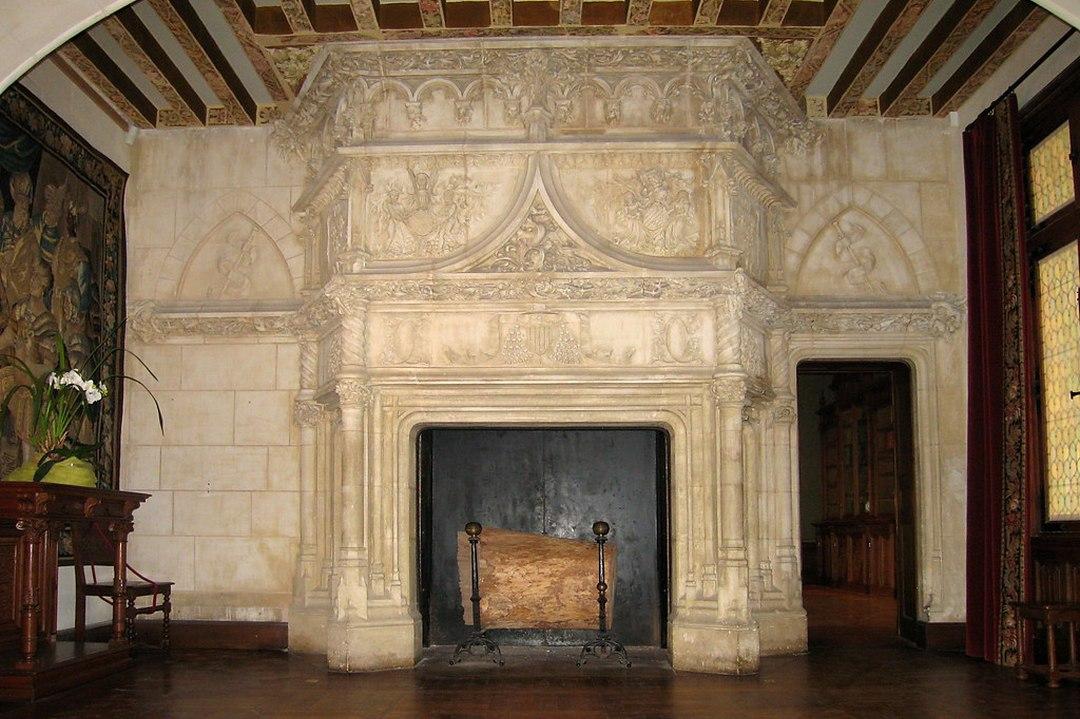
An older brick chimney may have seen decades of wood fires and then years of gas logs. Both leave marks inside the tile: tar and soot from the wood years, moisture damage from gas exhaust cooling in a flue that is too wide for it. When we film a flue like that, we are looking for both, because the right liner depends on what will burn below it next.
What you receive
- Camera stills of the problem the liner is meant to solve.
- The liner type, diameter and length, with a written figure.
- A plain note on anything a liner will not fix, so you are not surprised later.
Booking a liner visit
The liner installation page describes the work, and the Level 2 page covers the camera inspection that comes before it. From Lynwood, Downey, Carson or Inglewood, share what your report said on the contact page and we will call to plan the measuring visit.
Smoke Still Finding Its Way Into the Room?
Reading about draft only goes so far. Cantrell can test the flue, the damper and the air supply in your own house and put the cause in writing, with the price stated before any work. We cover Lynwood, Downey, Inglewood, Carson and the towns between them.